The shelves of grocery stores are full of ultraprocessed foods that have both convenience and flavor, yet other times, they also have concealed health dangers. Full of emulsifiers, dyes, and preservatives, these highly refined products are becoming more and more worrying among scientists. Learning about their effects is the key to better decisions about your health. High time we get into the science of ultraprocessed foods.
What Are Ultraprocessed Foods?
Ultraprocessed foods are the most processed form of food produced using several industrial methods and ingredients not normally used at home. Brazilian scholar Carlos Monteiro created the NOVA system of food categories by level of processing, where the fourth and most processed group are called ultraprocessed foods.
These are foods that usually include more than five ingredients and may contain substances such as hydrogenated oils, modified starches, protein isolates, and the like used to promote flavoring, texture, color and durability. Typical examples are:
- Processed foods such as crackers and chips
- Sweet breakfast cereals and breakfast bars
- Chill foods and instant noodles
- Energy drinks/Soft drinks
- Processed meats such as hot dogs and deli meats
- Ice cream and packaged desserts
- Fast foods things
The most important difference is in the processes of work and the materials present in the industry. Whereas minimally processed foods such as frozen vegetables or canned beans that taste and smell like whatever they are, ultraprocessed foods are themselves processed into whatever they are, so they can have the flavor and texture profile that consumers keep returning to buy them, as well as being convenient and lucrative, often at the expense of good nutrition.
The Health Concerns
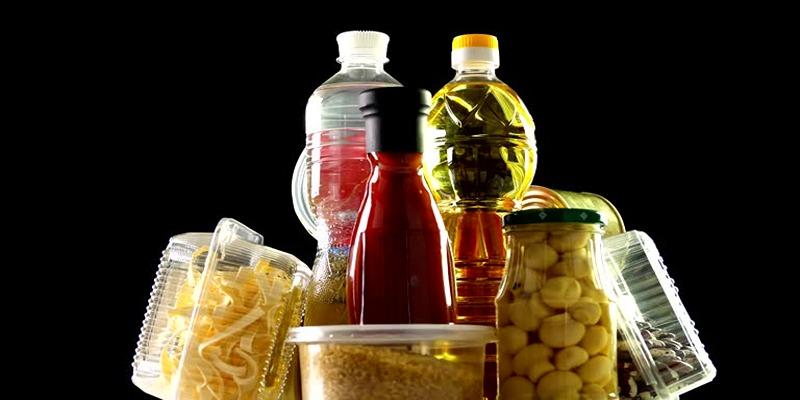
A body of research has been accumulating over a decade linking ultraprocessed foods to a number of health issues. Very large studies have shown associations with high intakes of these foods and the following health outcomes of great concern.
Weight Gain and Obesity
A landmark 2019 study published in Cell metabolism showed that participants who ate ultraprocessed foods ate roughly 500 calories more a day than those who ate unprocessed foods, even when the meals were clinically matched in terms of calories, sugar, fat, fiber, and other nutrients. Two weeks on ultraprocessed diet produced a two pound weight gain.
The causes of this overconsumption are not perfectly clear to researchers, but the following things are indicated. Ultraprocessed foods are frequently designed to appeal to the bliss point- the right amount of salt, fat, and sugar that cause the reward system in the brain to activate. They are also not extremely filling like whole foods making you have to eat more to be satisfied.
Increased Disease Risk
The results of large observational studies have included correlations between chronic diseases and the consumption of ultraprocessed foods. In the NutriNet-Sant cohort study, where the participants were followed over 100,000 French adults, a 10 percent increase in the consumption of ultraprocessed foods was linked up to a 12 percent increase in the risk of overall cancer.
Other research has also connected excessive consumption of ultraprocessed foods with cardiovascular disease, type 2 diabetes, and other mental health-related issues such as depressions and deteriorated cognitive performance. Although these studies reveal associations but not direct cause and effect, it is quite significant that the same results are obtained in varied groups.
Gut Health Disruption
Your gastrointestinal microbiome, a set of bacteria and other microorganisms inhabiting your intestines, pose a critical that affects the whole organism. Ultraprocessed foods can hurt this delicate ecosystem in at least four ways.
Most ultraprocessed foods tend to be deficient in fiber, on which friendly gut bugs depend to thrive. They are also loaded with emulsifiers and other additives that research has shown can destroy the protective mucus lining of the intestines, which causes inflammation and hence enhanced intestinal permeability.
Why Ultraprocessed Foods May Be Problematic
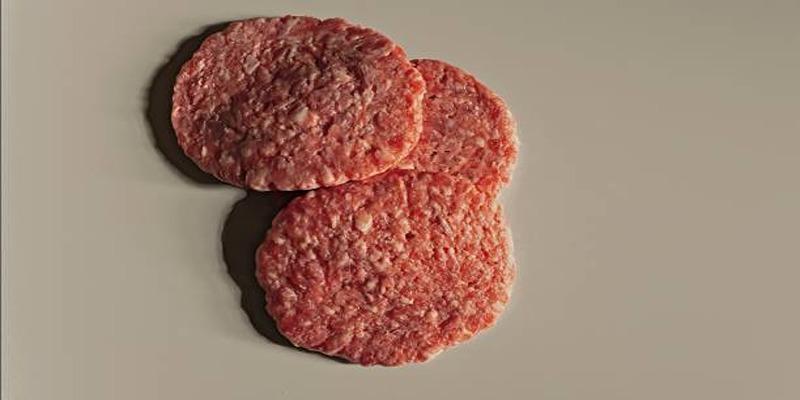
There are several purposes of why ultraprocessed foods can be potentially harmful to the human body. The conceptualization of these factors can solve the riddle why whole foods tend to grow health care outcomes.
Nutrient Displacement
Ultraprocessed foods decrease the amount of more healthy choices when they compose a significant portion of your diet. These are food items that are generally rich in calories but too low in nutrients essential to the body such as vitamins, minerals and other plant substances present in whole food. This presents a situation in which you may meet your caloric requirements but fail to meet your nutrition levels- a combination that can lead to nutrient deficiencies and weight gain.
Rapid Digestion and Blood Sugar Spikes
With the amount of processing done on such foods, they are found to be dissolved and can be digested more easily and faster. This may cause high blood sugar levels in the body which may be followed by blood sugar crashes which make you feel hungry shortly after accepting food. These repeated blood glucose spikes can eventually lead to insulin resistance and risk of developing type 2 diabetes over a long period of time.
Addictive-Like Properties
The reward circuits in the brain triggered by addictive substances are similar to that of combination of sugar, salt, fat, and diverse supplements of flavor enhancing present in the ultraprocessed food. This does not necessarily imply the aspect of addiction in its clinical form, but it can cause an inability to resist and easy overconsumption of such foods.
Making Healthier Choices
The answer is not to cut out all processed foods in your diet--that is neither attainable nor necessary in the majority of cases. Rather than, concentrate on decreasing your consumption of ultraprocessed foods and multiplying your consumption of whole foods with as little processing as possible.
Read Labels Carefully
When buying, look at ingredient lists as opposed to nutrition facts. Foods with long ingredient lists featuring strange terms are foods that are most probably ultraprocessed. Check products that contain ingredients you can identify and might actually find your kitchen.
Cook More at Home
Cooking a meal using raw materials allows the individual full control over the ingredients as well as how they are processed. Their basic cooking skills, such as roasting vegetables or grill-cooking chicken will offer nutritionally more satisfactory alternatives to packaged food.
Choose Minimally Processed Alternatives
Use minimal processing when there is a necessity. Frozen vegetable without additional sauces, plain yogurts, and bread whose list of ingredients is not thick are superior over highly processed food.
Practice Moderation
If you enjoy certain ultraprocessed foods, you don't need to eliminate them entirely. The key is making them occasional treats rather than dietary staples. Focus on the 80/20 rule—aim for whole, minimally processed foods 80% of the time, leaving room for flexibility the remaining 20%.
Conclusion
Ultraprocessed foods can pose health risks when they dominate your diet, but occasional indulgence won’t harm you if most of your choices support wellbeing. Focus on gradual changes—swap sugary cereal for oatmeal or packaged snacks for nuts. The goal isn’t perfection, but sustainable habits that improve health and reduce reliance on ultraprocessed foods over time.