Traveling to Jordan often feels like stepping into a place where time folds in on itself. The country holds both the echoes of ancient civilizations and the rhythms of modern Middle Eastern life. From Petra’s rose-colored cliffs to the serene waters of the Dead Sea, Jordan offers more than postcard views—it invites visitors into the heart of its culture. Hospitality, tradition, food, music, and history are not things you watch from a distance here; they become part of your experience. Cultural exploration in Jordan is as much about connection with people as it is about places.
Living Traditions: Exploring the Culture of Jordan
The Heart of Jordanian Hospitality
Hospitality in Jordan is more than courtesy—it’s a tradition that defines daily life. Rooted in Bedouin values, welcoming a guest is considered both an honor and a duty. Whether it’s being offered tea in a desert tent or coffee in a city café, the warmth feels personal and sincere. Jordanians don’t treat visitors as outsiders but as part of their community, creating moments of kindness that travelers remember long after their journey through the country ends.
Petra: More Than a Wonder
Petra, known as the “Rose City,” is Jordan’s most celebrated landmark, carved into cliffs of glowing sandstone more than two millennia ago. Once a bustling Nabataean trade hub, its pathways still whisper stories of merchants and travelers.
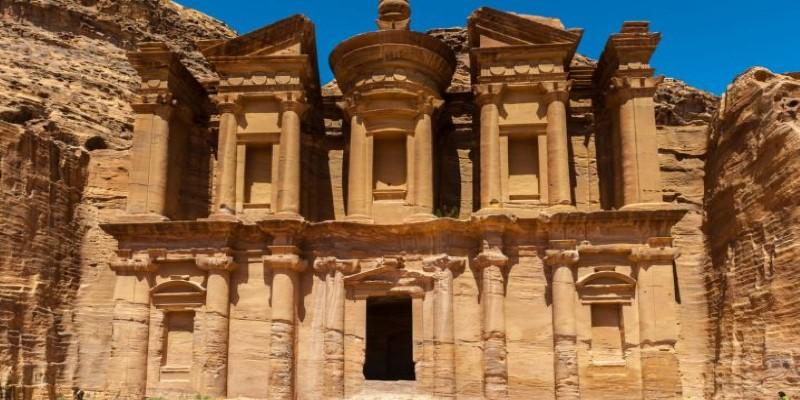
Walking through the Siq toward the Treasury, the carvings and inscriptions reveal both artistry and ambition. Petra is more than an archaeological marvel; it’s a testament to resilience, creativity, and identity. Exploring it means stepping into a living connection between Jordan’s past and present.
Jerash and the Roman Legacy
North of Amman lies Jerash, one of the best-preserved Roman cities in the world. Walking its colonnaded streets and temples gives a sense of how Jordan once connected empires. Greek, Roman, Byzantine, and Arab influences all left their mark, layering cultures within one city.
Today, Jerash continues this role as a living stage for cultural events and performances, linking history with modern creativity. Exploring Jerash shows how Jordan’s cultural story isn’t frozen in time but continues to evolve through engagement and celebration.
Bedouin Traditions in Wadi Rum
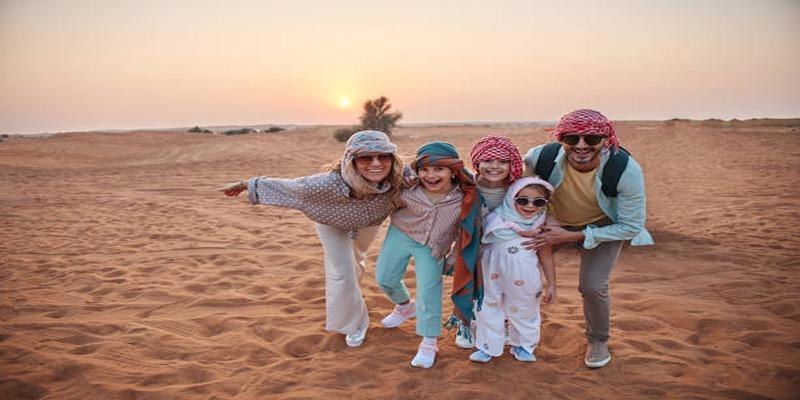
Wadi Rum’s desert landscape is tied closely to Bedouin life. Staying in a desert camp offers more than scenery—it opens a window into customs passed down for generations. Storytelling, music, and poetry are still shared around fires under the stars.
Meals are cooked in the sand, and visitors experience firsthand the Bedouin tradition of welcoming strangers. These customs highlight a culture deeply connected to the land. In Wadi Rum, exploration goes beyond admiring nature; it reveals the human traditions that thrive within it.
Amman: A City of Contrasts
Amman blends history and modern life in ways that capture Jordan’s diversity. The downtown area reflects centuries of continuity, with Roman ruins and lively markets. At the same time, newer neighborhoods showcase contemporary art, theater, and music.
Walking the city gives you a sense of balance between tradition and progress. Sharing a plate of mansaf or wandering a gallery are both experiences that express cultural identity. Amman’s contrasts show how Jordanian culture thrives not by choosing one path, but by embracing both.
Religious Heritage and Shared Spaces
Jordan is home to sites significant to multiple faiths. The Baptism Site of Jesus at Bethany Beyond the Jordan draws Christian pilgrims, while Mount Nebo offers views linked to Moses. Islamic traditions shape everyday life, reflected in the architecture of mosques such as the King Abdullah I Mosque.
What makes Jordan unique is the coexistence of these traditions, where respect for different beliefs is part of cultural practice. Religion here is not only about sacred spaces but also about the values of tolerance and community.
Jordanian Cuisine: A Cultural Feast
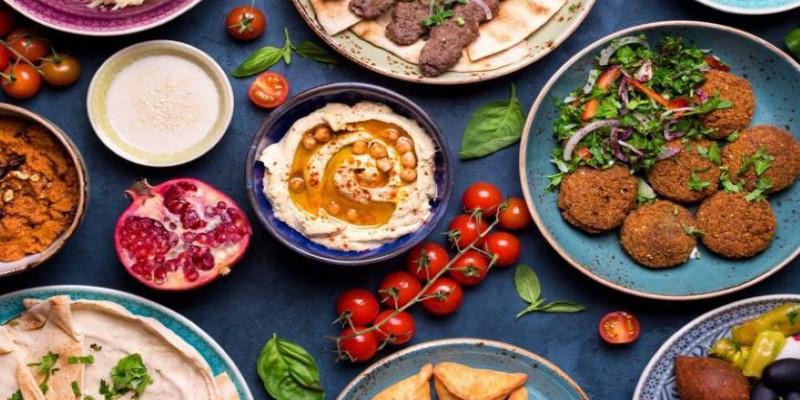
Food in Jordan reflects hospitality and heritage. Mansaf, the national dish of lamb, rice, and yogurt sauce, is more than a meal—it symbolizes unity and respect at gatherings. Street food, from falafel to shawarma, offers a taste of daily life.
Meals are rarely eaten alone; they’re shared with family and guests, encouraging connection. Dining is an act of generosity, where flavors carry stories of history and geography. Experiencing Jordanian cuisine provides insight into how food expresses culture as strongly as monuments or music.
Music, Dance, and Oral Traditions
Jordan’s cultural life includes music, dance, and poetry that continue to shape identity. Dabke, a traditional group dance, is performed at weddings and community gatherings, energizing celebrations with rhythm and unity. Oral traditions, particularly Bedouin poetry, carry values of honor and memory.
Modern Jordanian musicians blend these traditions with contemporary styles, creating new forms of expression. These art forms demonstrate that culture in Jordan is not a relic of the past but a living, adaptive practice, alive in both rural and urban settings.
The Dead Sea and Natural Heritage
The Dead Sea is a natural wonder with cultural significance. At the lowest point on Earth, its mineral-rich waters have long been valued for health and trade. For local communities, the area has provided resources and identity for generations.
Visitors today experience both its unique environment and its connection to Jordan’s cultural story. Here, natural and human history meet, showing how landscapes shape traditions just as much as monuments or food. The Dead Sea illustrates how Jordan’s culture is inseparable from its environment.
Education, Crafts, and Contemporary Culture
Craft traditions remain part of Jordan’s cultural fabric. In Madaba, mosaics tell stories from centuries past, while local cooperatives support artisans who keep weaving and pottery alive. These crafts are not only heritage but sources of livelihood, linking tradition with modern needs.
Contemporary culture thrives as well, through literature, theater, and visual arts. Festivals and galleries showcase new voices alongside old traditions. Jordan’s culture continues to grow by respecting its past while encouraging creativity, creating a space where both memory and innovation flourish.
Conclusion
Cultural exploration in Jordan goes beyond historic sites. It lives in shared meals, heartfelt welcomes, and music that marks life’s moments. From the carved stones of Petra to the voices in Amman’s markets, tradition thrives. Bedouin stories, local food, and spiritual places offer more than sightseeing—they create connection. In Jordan, culture isn’t staged; it’s part of everyday life, offering travelers memories rooted in people, place, and genuine exchange.