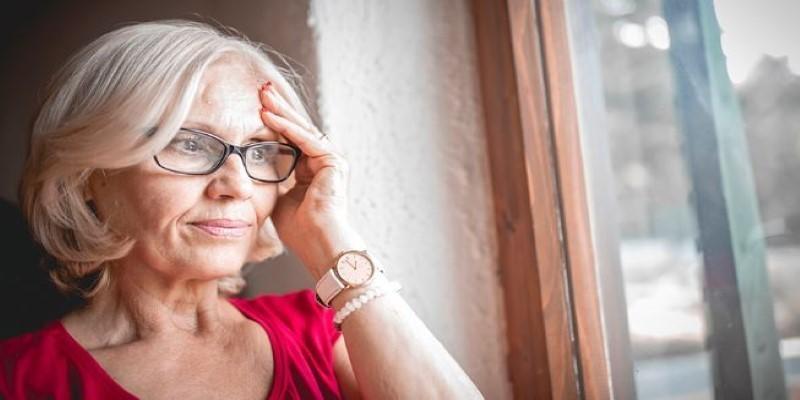
Seniors are particularly vulnerable to heat-related illnesses because their bodies may not regulate temperature as effectively. This article outlines practical steps to prevent heat-related health issues in older adults. We will cover essential measures such as staying hydrated and long-term preparedness strategies, offering actionable tips to ensure seniors remain safe and healthy during hot weather.
Understanding Heat Risks for Seniors
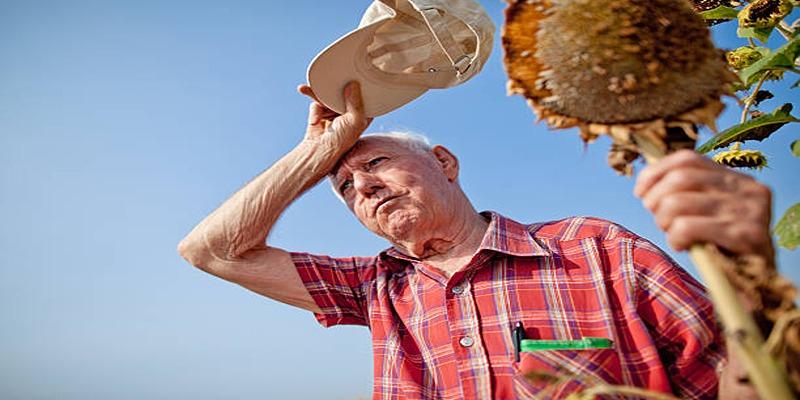
Regulation in terms of temperature is no longer efficient in our bodies as we grow. The older ones have the ability to produce a lower amount of sweat, skin tends to be thinner, and their thirst occurs late, hence it is more difficult to cool easily. Extreme temperatures also require the cardiovascular system to do more labor thus putting extra pressure on aging hearts and lungs.
Medical history, including conditions like diabetes, hypertension, and kidney disease, can diminish the body's ability to withstand heat. Additionally, older adults may not always perceive that they are sweating, even when experiencing it severely, making them more susceptible to heat stress.
Hot Weather Safety Tips Every Senior Must Know
Here we are going to work out down-to-the-ground steps that could be implemented every day by the seniors in order to minimize their risks and keep safe in hot weather.
Stay Hydrated Regularly
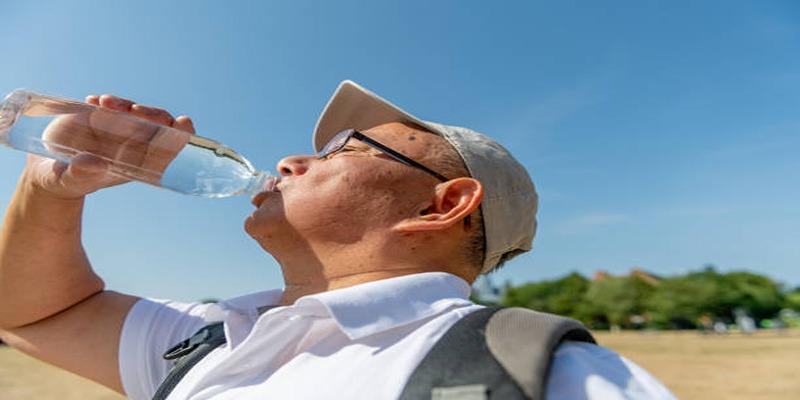
Water provides the body with the highest heat defenses. Elderly are to keep on drinking water regularly even in instances when they are not thirsty as their sensitivity to thirst reduces as they grow older. Coffee, and soda are to be avoided since they increase fluid dehydration and are known to aggravate the health condition.
Dress in Light Clothing
Clothes are an important factor of controlling body temperature. Wireless clothing and damp water garments put in place of cotton bring in air circulation, which keeps the body cool. Wide-brimmed hats and umbrella sunglasses, which prevent harmful rays, will be another source of assurance in the outside area.
Keep Living Spaces Cool
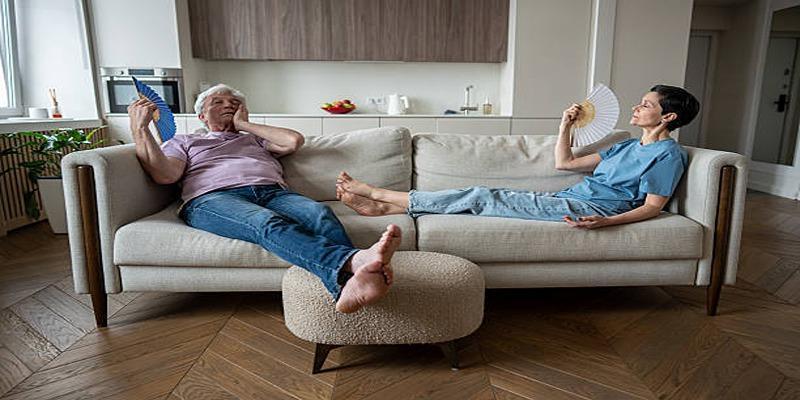
The indoor environment is one that should be maintained as safe. The use of fans or air conditioning is advisable by the elderly. During daytime, there is closure of blinds or curtains which helps in ensuring rooms do not become hot. Local cooling centers give reprieve to the non-cooling device owners.
Avoid Peak Heat Hours
Exposure to direct sunshine between 10 a.m. and 4 p.m is dangerous. The elderly would be well advised to schedule any errands or even exercise and visit people at early morning or late evening when it is not too hot.
Eat Light, Balanced Meals
A healthy diet also has effects on how hot one can be. Fresh fruits and vegetables as well as water rich foods can be beneficial in keeping hydrated and energized. Big or heavy meal industrializes the digestive system and if more body heat is produced, then already uncomfortable weather would explain the condition.
Monitor Health Conditions
Certain medications including diuretics or heart medications can increase sensitivity of heat. The seniors are advised to re-examine their prescriptions with their healthcare practitioners so that they can be aware of dangers. Sustaining long term diseases, such as diabetes or hypertension, is also a need because these diseases are liable to exacerbation in heat stress.
Long-Term Hot Weather Preparedness
In addition to such short-term evidence, the planning ahead can be useful in this instance so that seniors could better cope with another hot weather. Proactive measures of enduring safety that go beyond day by day adaptations are now to be discussed and concentration on fashioning long-term heat smart existence.
Plan Ahead for Heat Waves
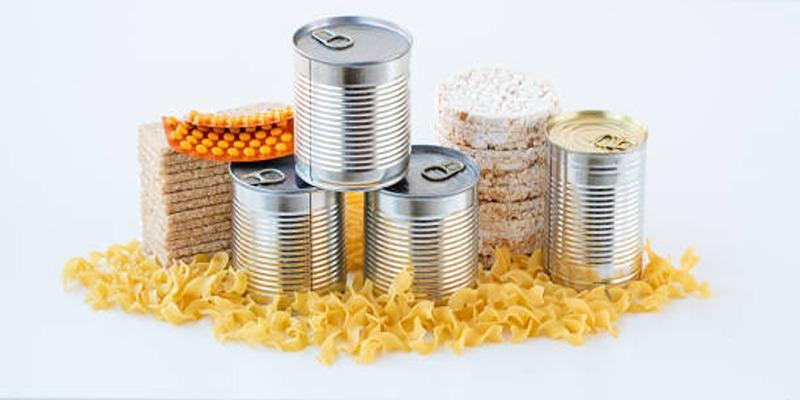
Heat waves usually have a brief notice, and may be experienced during days or even weeks. To be more specific, the elderly should prepack on canned water, ice packs, electrolytes, and precooked light snacks. This keeps them heated and fed even when it becomes challenging in case of power control.
Having access to local cooling shelters, libraries, or local communities centers is a good way to seek shelter in a safe and well-air-conditioned area when the conditions inside the home may not be bearable. The families and caregivers can assist the seniors in marking routes that transport systems will use in transporting them to prevent them being caught in the hot weather.
Create a Support Network
One of the most effective preventive measures against heat hazards is the reliable community system of the support network. To organize safety networks, seniors need to liaise with their neighborhoods/local senior centers/service groups through their churches. These networks help to make sure that one has someone to visit her each day, pick her up, or dial in case extreme heat is unbearable.
Another layer of security can also be explained by technology, such as using simple solutions like emergency alert buttons or Smartphone check-in apps as a way of ensuring seniors never go unnoticed, even in the case of those who have low mobility. It is a great relief to know that when it is hot all one needs to do is to make a call to get help.
Regular Health Checkups
Continued health can be used to prevent in the long run. The elderly will be requested to check in regularly to monitor blood pressure, cholesterol, the water glass volumes, and overall heart and kidney activity. These visits enable physicians to render specific recommendations as well as revising of medicines--particularly those that modify body fluid and body perspiration.
The doctors will also be able to prescribe safe water intake and offer chronic disease advice in hot temperatures. Being proactive to medical care keeps the older generation physically fit in respect to heat and with fewer chances of experiencing undesirable complications.
Conclusion
Hot weather is an uphill task to elderly people but awareness and preparedness help a great deal in mitigating against this. Simple routines such as staying hydrated, drinking the correct clothes and not going during high heat periods will help improve the things week-to-week, other long-term plans will ensure future immunity such as health checkups and support networks.