Many shoe mistakes seem harmless in the moment. A slightly tight fit, a thin sole, or an old favorite pair rarely feels urgent enough to replace. But feet absorb the impact of every step you take. When small footwear problems repeat day after day, they quietly strain your toes, arches, heels, and even your posture. The damage rarely appears overnight, which is why so many people continue habits that slowly undermine their foot health.
Mistake 1: Wearing Shoes That Are Too Tight
Shoes that are too tight do more than cause temporary discomfort. When there isn’t enough space for your toes to spread naturally, pressure builds inside the shoe. Friction increases, circulation can become restricted, and over time this constant compression may contribute to blisters, bunions, and structural changes in the forefoot.
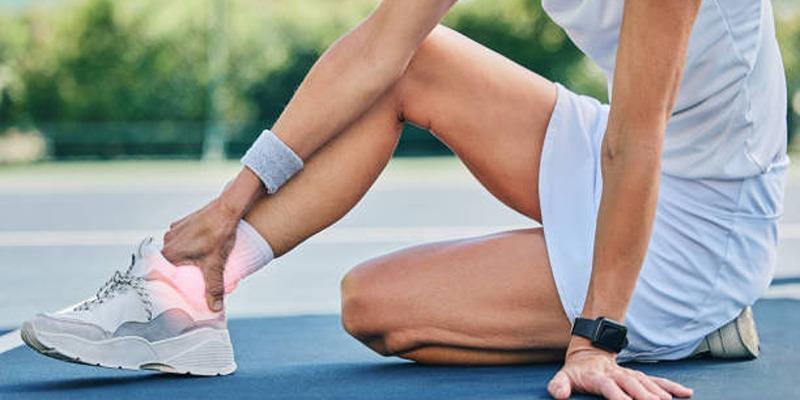
Many people tolerate tight shoes because they like how they look or because the material eventually softens. However, even if the surface feels less stiff, the internal space does not truly expand. Red marks, tingling, swelling, or soreness at the end of the day are early signals that the fit is wrong. Ignoring these signs turns a minor sizing issue into a long-term footwear problem.
Mistake 2: Choosing Style Over Support
Fashion-forward shoes are often designed with appearance in mind, not biomechanics. Thin soles, minimal cushioning, and weak heel structures may look sleek, but they offer limited shock absorption. Each step transfers more force directly into the feet, and the body compensates by recruiting muscles to stabilize itself.
Over time, this extra effort can lead to arch fatigue, heel pain, and discomfort that extends to the knees or hips. Because these symptoms develop gradually, they are easy to dismiss. A supportive shoe does not need to look bulky, but it should feel stable from heel to toe, bend naturally at the forefoot rather than in the middle, and provide consistent cushioning. Support is not a luxury; it is basic protection.
Mistake 3: Wearing Worn-Out Shoes for Too Long
Old shoes often feel comfortable because they have molded to your feet. That familiarity can be misleading. As cushioning materials break down and outsoles lose their grip, shoes no longer absorb impact effectively. What once felt supportive gradually becomes flat and uneven.
When shock absorption decreases, stress shifts to joints and soft tissues. Increased soreness after routine activities, visibly smooth soles, or uneven wear patterns are common signs that replacement is overdue. For daily use, many shoes need replacing within six to twelve months, depending on activity level. Rotating between pairs helps materials recover and extends their lifespan while protecting your feet.
Mistake 4: Ignoring Proper Shoe Size Changes
Foot size and shape are not fixed for life. Aging, weight fluctuations, and muscle changes can alter both length and width. Yet many people continue buying the same size year after year without reassessing fit.
Shoes that once felt fine may begin creating subtle pressure points. Discomfort may appear without an obvious cause, leading people to blame fatigue rather than sizing. Trying shoes on later in the day, wearing the socks you normally use, and leaving enough room at the front for natural toe movement can prevent unnecessary strain. Treat sizing as something to re-evaluate periodically, not a permanent number.
Mistake 5: Wearing the Same Shoes Every Day
Convenience often leads people to rely on one dependable pair. However, shoes need time to dry and regain their structure after hours of wear. Continuous use traps moisture and accelerates material breakdown.
From a biomechanical perspective, repeating the same footwear also means repeating the same pressure patterns. Certain areas of the foot absorb stress again and again without variation. Alternating between two or three pairs distributes load differently and allows cushioning to recover. This simple rotation habit reduces overuse stress and prolongs both shoe life and foot comfort.
Mistake 6: Ignoring Arch Support Needs
Arches function as natural shock absorbers. When support is insufficient, muscles and connective tissues must work harder to maintain alignment. Over time, this can contribute to fatigue, heel pain, or aching along the arch.
Individuals with high arches, low arches, or flexible feet may require different levels of structure. A shoe that feels acceptable during short wear may reveal its shortcomings after several hours. Persistent soreness, especially after standing or walking, often signals inadequate support. Choosing footwear that matches your foot shape—or adding appropriate insoles when space allows—can restore balance and reduce strain.
Mistake 7: Wearing Shoes That Do Not Match the Activity
Not all movement is the same. Walking long distances, standing for extended periods, and engaging in exercise each place distinct demands on the feet. Using one general-purpose shoe for every activity increases fatigue and injury risk.
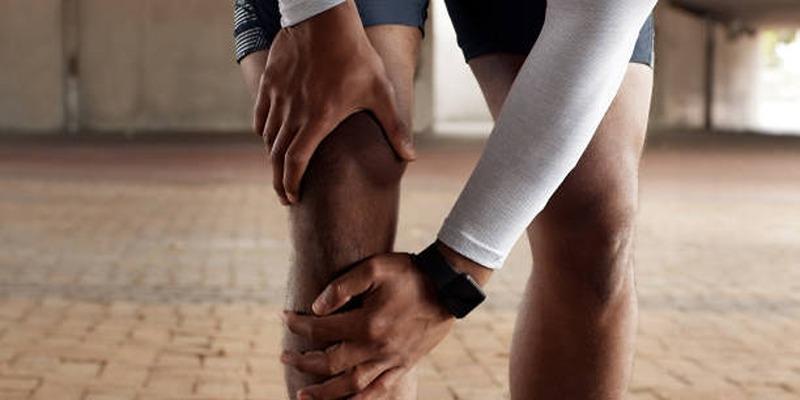
Casual shoes may suffice for short outings but fail to provide the cushioning or stability needed for longer walks. Activity-specific footwear is designed to guide movement patterns and absorb impact in ways that match particular tasks. Selecting shoes based on what you actually do most often is one of the simplest foot health tips to follow, yet it is frequently overlooked.
Conclusion
Shoe mistakes rarely feel dramatic. They develop quietly, shaped by habit and convenience. Tight fits, insufficient support, worn cushioning, and mismatched use gradually add stress that the body absorbs step after step.
The good news is that most of these footwear problems are preventable. Choosing shoes that fit properly, rotating pairs, replacing worn-out soles, and matching footwear to your daily activities can significantly reduce strain. Your feet carry your entire body through every routine task. Giving them appropriate support is not about luxury or fashion—it is about long-term comfort and structural health.