The Galápagos Islands don’t fit into standard travel plans. There aren’t resorts lining the beaches, and you can’t just wander wherever you like. Visits are heavily regulated, and most areas are off-limits without certified guides. Travelers interested in science, wildlife, and rare ecosystems often find that small expedition ships are the only practical way to see the islands properly. That’s where Lindblad and National Geographic come in. Their approach is low-footprint, tightly organized, and built to match the place rather than reshape it.
What Makes the Expedition Format Work Here?
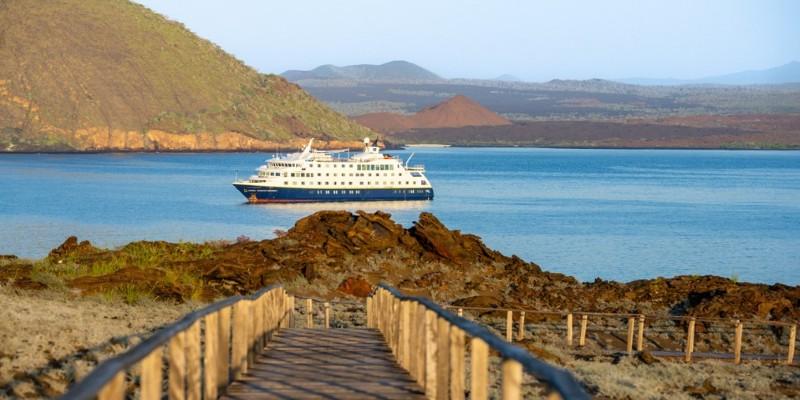
Nothing in the Galápagos works on autopilot. Lindblad’s ships hold 48 to 96 passengers, a deliberate choice to stay within the national park’s group size limits. That’s not just a legal line—it shapes where the ships can go, how many places they can stop, and whether guests are stuck waiting for their turn on shore.
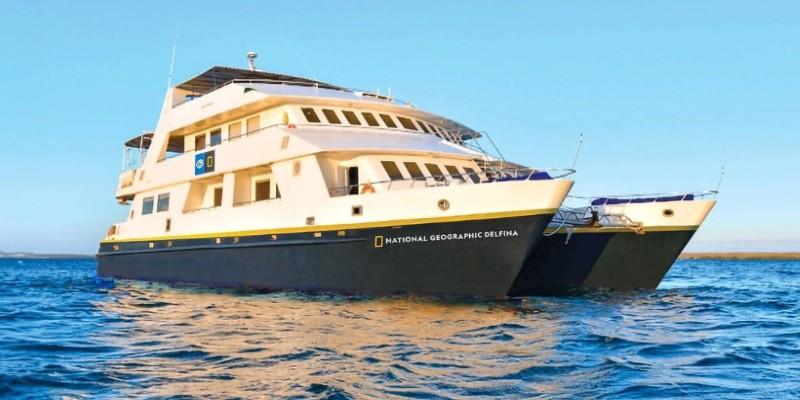
Zodiac transfers make the landings quick and flexible. Instead of docking at the same ports over and over, the ship drops anchor near quieter islands. Guides take travelers ashore in small groups, usually less than a dozen at a time. That setup avoids crowding and lets the daily plan stay fluid. If sea conditions change or something unusual happens—like a pod of dolphins sighted early in the morning—the crew can adjust quickly.
Naturalists play a bigger role here than on most cruises. Instead of one guide per group, several rotate across the voyage. Some are local to the islands, others are researchers or photographers. This gives guests a more layered view of what they’re seeing. It also keeps things honest. No one’s recycling the same script day after day. That's something a lot more commercial trips get wrong. The variety of voices helps make sense of an environment where so much is interconnected.
How National Geographic Shapes the Onboard Experience?
Lindblad runs the ship, but National Geographic shapes the story. Their influence is baked into the way the guides are trained and how each day unfolds. There's no overdone programming or fluffy entertainment. Instead, there are talks on marine ecology, bird migration, underwater camera setups, and sometimes deep dives into the lives of specific species that guests saw that day.
Each ship carries a National Geographic-trained photo instructor. That’s not a throwaway title. These are working photographers helping travelers make better use of the equipment they already have. Whether it’s adjusting for glare during midday hikes or learning how to shoot in the water, they’re on hand to help guests come back with more than snapshots. It’s a real fix for people frustrated by missed shots or underwhelming images after a trip this rare.
Internet is minimal, and cell service is practically nonexistent. That leaves travelers without their usual search-and-lookup tools. To bridge that gap, the ship's library becomes important. The collection includes species guides, local field reports, and past expedition notes. It's not just for show. Guests use it to figure out what they've seen, compare notes, and settle dinner-table debates over whether that was a lava heron or a blue-footed booby.
What Travelers Should Know Before Booking?
The calendar matters more than most realize. Wildlife in the Galápagos doesn’t go dormant, but its patterns shift throughout the year. The warm season, December through May, brings calmer seas and better snorkeling visibility. June to November is cooler and windier, with more bird activity. Depending on the timing, you might miss hatchings or migrations you wanted to see. That’s something agents often flag during the booking process, especially when clients have specific species in mind.
Pricing doesn’t follow traditional demand curves either. High interest weeks—spring break, summer, winter holidays—are expensive and usually full. Last-minute rates almost never appear. It’s one of the rare destinations where waiting tends to backfire. Some planners keep standby lists for cancellations, but even those move fast.
There's a physical element that's easy to overlook. Most landings involve uneven terrain. Trails are hot, rocky, or slippery, and snorkeling happens in open water. The crew provides briefings and checks in often, but there's no real "take it easy" version of the itinerary. This isn't passive sightseeing from a lounge chair. It's up and moving every day.
Packing is more about gear than clothing. Water shoes, dry bags, and lightweight long sleeves get more use than anything else. You don’t need to dress up, and the ship has laundry. Since flights into the islands have strict weight limits, packing smart matters. The expedition team helps guests prep before departure, which cuts down on what gets left behind or overpacked.
Behind the Scenes: Permits, Routes, and Daily Adjustments
No ship gets free rein in the Galápagos. The national park controls where vessels go through a rotating route system that resets every 15 days. Even though most guests are on board for about a week, the ship’s full schedule follows a larger loop. That prevents any one landing site from getting too much traffic. It also means two trips taken just weeks apart may follow completely different routes.
Lindblad and National Geographic have earned access to some of the harder-to-reach sites thanks to years of collaboration with the park. But that doesn’t make them immune to changes. Rough seas, wildlife closures, or even unexpected feeding frenzies can shift the day’s schedule. The expedition leader and naturalist team meet each night to weigh the options and rework the plan. These shifts are common and built into the rhythm of the trip. It’s not a flaw, just part of how travel in the islands works.
Sometimes, researchers from local conservation groups join for part of the trip. When that happens, guests might watch marine iguana monitoring or see how data is collected on sea lion pups. These aren’t staged presentations. They’re working visits, and they show what it takes to keep the islands open to visitors without damaging what makes them special.
Conclusion
The Galápagos ask something different from visitors. National Geographic and Lindblad don't promise luxury. What they offer instead is access that respects the limits of the place. The structure is tight, the schedule is full, and the focus stays on the environment first. It isn't a trip built for switching off. With some stamina and curiosity, the experience tends to linger long after the voyage ends.