Bone broth has moved from traditional kitchens into diet plans focused on weight control. Slow simmering of animal bones releases collagen, gelatin, amino acids, and minerals into the liquid. Interest in this broth grew after several weight-loss programs promoted short fasting cycles combined with broth consumption. Clinical dietitians and physicians often examine such trends carefully. Weight reduction depends on sustained calorie balance and nutritional adequacy, so any single food raises questions about metabolic impact, appetite control, and long-term health outcomes.
Nutritional Profile of Bone Broth
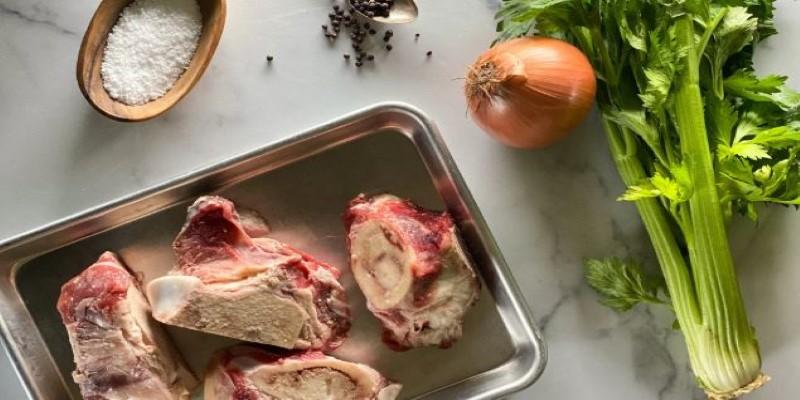
Bone broth forms after extended simmering of beef, poultry, or fish bones with connective tissue. Heat and mild acidity draw gelatin, collagen fragments, glycine, proline, calcium, phosphorus, and small amounts of magnesium into the liquid. The resulting broth usually contains 30 to 50 calories per cup, though preparation methods vary across kitchens and packaged products. Fat levels depend on skimming practices during cooking and chilling.
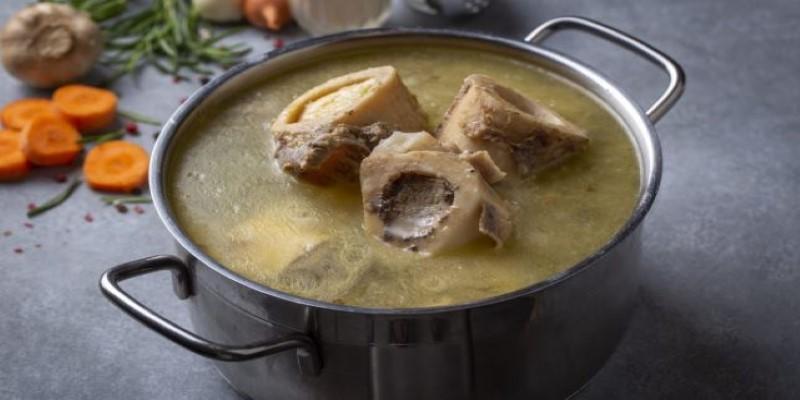
Collagen proteins break into gelatin during simmering. Gelatin thickens cooled broth and contributes amino acids linked with connective tissue repair. Clinical nutrition teams sometimes include broth in recovery diets after abdominal surgery or dental procedures. Liquid meals reduce chewing strain and deliver modest protein.
Hospital menus use similar broths for patients dealing with poor appetite or swallowing discomfort during early recovery stages. Bone broth remains nutritionally limited despite its mineral and protein content. Fiber, vitamin C, and many essential micronutrients appear in minimal amounts. Dietitians reviewing food diaries often notice broth replacing balanced meals during aggressive weight reduction attempts.
Such substitution can reduce daily calorie intake, yet risks protein or micronutrient gaps if the diet lacks legumes, vegetables, dairy, or whole grains. Laboratory panels in outpatient clinics sometimes reveal low iron or declining albumin after prolonged restrictive diets built mainly around liquids.
Protein, Satiety, and Calorie Intake
Satiety sits at the center of most weight-loss plans, since fullness shapes meal size and between-meal snacking. Bone broth can play a small role here. Protein and gelatin tend to linger in the stomach longer than plain beverages, and a hot mug taken 10 to 20 minutes before eating often slows the first few bites of a meal. In bariatric care, clear protein liquids are commonly used right after surgery, when early fullness arrives fast, and solid foods can trigger nausea or discomfort.
Food logs in clinic settings show a practical effect: broth often replaces a processed snack. That swap can trim calories across a week without feeling like a dramatic cut. The outcome comes from substitution, not a special “fat-burning” property. Similar patterns show up with low-calorie soups served before lunch, since warm volume reduces the urge to pile on larger portions.
Responses are not uniform. Brief fullness can fade quickly if the rest of the meal is mostly refined starch, leaving hunger rebound within an hour or two. Rapid drops in blood glucose can follow very low-calorie liquid meals, bringing headaches, shakiness, or irritability later in the day. For that reason, structured plans tend to pair broth with fiber-rich foods and a complete protein source, rather than treating broth as a stand-alone meal.
Clinical Considerations and Health Limitations
Bone broth can seem straightforward, yet its cooking method and label details matter in clinical practice. Extended simmering pulls minerals into the pot, and it can pull trace metals as well. Small studies and lab checks of some homemade batches have found detectable lead, especially after very long cooks or when vinegar is used to acidify the water. Levels are usually low, but frequent, daily use over months deserves the same caution applied to other potential exposure sources.
Salt is a more common issue. Many packaged broths land in the 400 to 700 milligram range per cup, and portions often run larger than a cup. In hypertension and heart failure clinics, that sodium load can translate into ankle swelling, higher readings, or a frustrating need to adjust diuretics. Lower-sodium products, dilution, and skimming seasoned fat after chilling can help reduce the total.
Broth-only “cleanses” create another problem. Patients sometimes present to urgent care with lightheadedness, constipation, or nausea after several days of near-liquid intake. Too few calories and limited carbohydrates can drop energy and disturb electrolytes, so refeeding is usually gradual and structured. For individuals with kidney disease, potassium and phosphorus content may matter, and medication plans may need review.
Practical Use in Structured Weight Management
In structured weight programs, bone broth usually functions as a supportive food rather than a central strategy. Dietitians sometimes place broth at the beginning of meals for patients struggling with portion control. The warm liquid encourages slower eating and mild fullness before the main plate arrives. Clinical observations in outpatient weight clinics show modest calorie reduction across several weeks under this approach.
Sports medicine clinics occasionally recommend broth during recovery phases after intense training blocks. Athletes reducing body fat often face appetite swings and muscle soreness. Gelatin supplies glycine and proline, amino acids involved in connective tissue maintenance. Broth offers hydration and light protein without heavy digestion demands. Still, sports dietitians combine it with complete protein foods such as eggs, fish, or legumes to maintain muscle mass.
Public health nutrition programs stress variety during weight reduction. Broth can appear as one component within a broader pattern including vegetables, whole grains, fruit, and lean protein sources. Clinics treating metabolic syndrome track lipid panels, blood pressure, and fasting glucose during dietary change. Improvement usually reflects sustained calorie control and balanced nutrient intake rather than reliance on a single liquid food.
Conclusion
Bone broth can contribute small amounts of protein and minerals while adding warmth and volume to meals. Satiety effects may lower calorie intake when broth replaces higher calorie snacks or appears before meals. Clinical nutrition practice treats it as a supplement within balanced diets, not a stand alone solution. Attention to sodium, mineral exposure, and overall nutrient intake remains necessary. Sustainable weight reduction still relies on calorie balance, dietary variety, and medical monitoring when needed.