Asturias, a secret treasure of northern Spain, has a fantastic coastline that fills the heart of anybody who visits it by the charm of its pure attractiveness. It is a great place to get away as it boasts of pure untouched sands and spectacular cliffs. You want to find exciting waves to ride or need to relax on the beaches, and you are amazed by everything the Asturias offers to give you a magical experience in every step.
Why Asturias Beaches Stand Apart
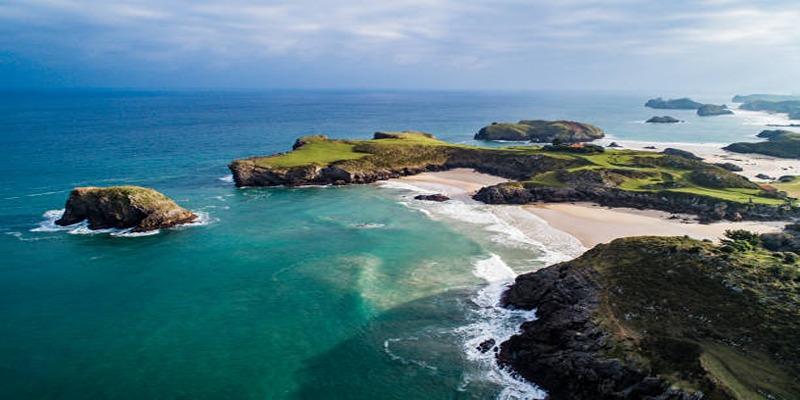
The Asturian coastline is more than 350 kilometers long and provides above 200 beaches and more than 200 coves. In contrast to the Mediterranean coasts of southern Spain, the Atlantic beaches have colder waters, steep tides, and great waves that entice surfers who travel long distances in Europe. There is a continuous supply of moderately warm temperatures in any area throughout the year due to the temperate oceanic climate, but the summer is the original time of year when beach related activities are best performed.
The beaches of Asturian are indeed very special due to natural beauty. They are mostly undisturbed and have beautiful green hills that remain bright due to the frequent rain in the region. When the grains of gold blend with the turquoise water, along with green sceneries, what you see is worth writing home about.
Remarkable geologic diversity is also apparent in the beaches here. Others have fine gold sand designed as friendlies, but still some have rough stones and rocky beaches that attract the photographer and nature lovers. This diversity implies that any guest must reveal his/her ideal place on the coast.
Must-Visit Golden Sand Beaches
Playa de Rodiles
Playa de Rodiles is a sand-beach nearly four kilometers long, in the municipality of Villaviciosa. This beach is located on the outlet of the Villaviciosa estuary, forming a very special ecosystem of fresh and saltwater confluence. The outcome is both very good conditions to swim and watch birds.
The beach has the north east element which makes it perfect to capture morning light and afternoons waves. Its stable surf breaks have attracted respect with the Spanish surfing fraternity as they organize national surf competitions all through the summer season. Since the water is calm, the shallow waters around the estuary offer safe swimming to families.
Playa de Gulpiyuri
Gulpiyuri is perhaps the most well-known of all Asturian beaches, and it defies all expectations of coastal geography. The site of this inland beach is 100 meters inland of the ocean linked by underground tunnels through limestone cliffs that were worn away by erosion over centuries. It is only 40 meters long and supplied with seawater pumped through these subterranean channels.
In 2001 the attention of other countries grew to the beach, when it became a Natural Monument. Its thoroughly transparent waters and peculiar structure make it the dream of every photographer, but at the same time there is too little space, so it may become a nightmare as it is overcrowded at the peak season. The best experience that can give a visit is in the morning (early) or evening (late).
Playa de Torimbia
Playa de Torimbia is concealed behind towering hills surrounding Llanes, and in order to get there, a visitor must hike a steep track that lasts 20 minutes, but the views pay off with one of the most spectacular Spanish beaches. This crescent-liked bay boasts of pure golden sand supported by majestic limestone formations attacked at some angles by wind and withdrawals.
The beach is kept wild in part by the difficulty in access. There are no restaurants or other facilities here, and visitors should not be unprepared. The seclusion produces quite a tropical feel with blue water that would appear too clear to be on the Atlantic coastline.
The Surfing Capital of Northern Spain
Asturias belongs to the best surfing areas in Europe. The Atlantic Ocean has some constant waves throughout the year, the largest ones fall in the autumn and winter. The water is relatively warm due to the gulf stream, however, throughout except in summer you will require a wetsuit.
Playa de Salinas
The best surfing base in the region is Playa de Salinas, it is the home of major competitions including the European professional circuit. The beach has various breaks that can be for different skill levels, like smooth whitewater conditions that can suit the beginner, to hard core barrels that can challenge even the experienced surfer.
Playa de Tapia de Casariego
Another quality surfing spot in the world is Playa de Tapia de Casariego, which features a consistent left-hand point break. The town is full of surfing culture, boasting a variety of stores that can help rent equipment and schools that can teach anyone how to his or her ability.
The surfing culture in Asturias is very friendly, as the surfing locals are ready to share information about the waves and surf conditions with an outsider. Surf schools on many of the beaches offer lessons in both Spanish and English; they are open to the international traveler.
Hidden Coves and Secret Beaches
Along with the famous beaches, Asturias have dozens of secret beaches that only those wanting to adventure can get to. These are solitary places where you can interact one-on-one with the natural beauty of this area, with no crowds.
Playa de Barro
At Playa de Barro near Llanes, a moderate hiking trail along the coastal meadowlands, results in a calm and untouched cove, with cliffs covered in grass and a stunning point of view. When the tide rises and the beach virtually disappears to form a constantly shifting landscape, it seems like your personal discovery.
Playa de Andrín
Behind the tiny fishing village of the same name is Playa de Andrino. This is a pebble beach which turns at the low tide leaving rock pools with sea life. There is great hiking possibilities in case someone wants to delve deeper into all the dramatic cliff backgrounds.
Most of these gems are fondly referred to only by locals and determined hikers as they do not have any formal names. The charm that Asturias is endowed with is that you can find your favorite beach, and it is only after tracing the old route that you will get access to the beach.
Planning Your Beach Adventure
Visiting Asturian beaches is better at what time is best is up to your priorities. July and August are the warmest months with the maximum water temperature, which makes them the best time of the year to visit because open water swimming is popular with families and other visitors. But the most popular beaches also get the most people during these months.
Fall and spring are other great options with moderate weather conditions ideal to hike and go exploring. Both outside and inside hurricanes tend to favor the seasons when there is more activity in the form of swells along the Atlantic. Even winter is good; it has drama of storm watching and has total isolation in most of the beaches.
The majority of beaches do not have developed infrastructure, and you should bring your own food, water, and sunscreen. The rainy and sunny climate in this area requires carrying a change of clothes and an umbrella, even in summer. In most of the coastal towns, there are good seafood restaurants, where you can enjoy some local delicacies such as fabada asturiani and fresh fish.
Final Thoughts
The beaches of Asturias provide a glimpse of pure, untouched, mass-tourism free tranquility. Explore sheltered coves, and follow fishing vessels home with new fish, and experience the brine force of the Atlantic contending with the sweeping headlands. World-class surfing and exclusive destinations such as Gulpiyuri and pure golden sands with spectacular green trees charm Asturias. Arrange your adventure beach tour and discover why these shores in the north of Spain create such an indelible impression on a visitor.