The issue of skin cancer has traditionally drawn the attention of the light skins despite the fact that it is a problem that affects dark-skinned skins. The overall principle is that dark skin protects much against skin malignancy through its overt action. The more melanin one has the more protection one has even though this is not a way of immunization. Diagnosis of the dark-skinned individuals comes later and it is of paramount importance to bring it to the attention of people.
Why Skin Cancer Can Affect Dark Skin
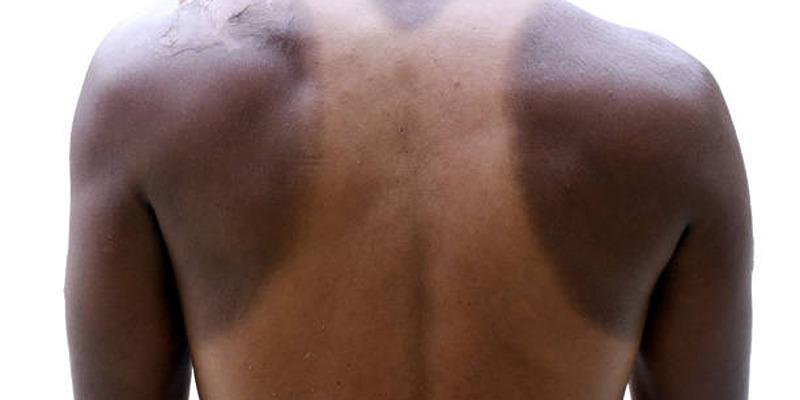
Ultraviolet (UV) radiation is neutralized by the melanins in the skin of the dark, and therefore the large chances of cancer-induced damages are minimized. This security is however not universal. Examples of contactable skin cancer include melanoma, basal cell carcinoma, and squamous cell carcinoma, among which the dark-skinned people are susceptible to. Such cancers could manifest in less apparent parts, and thus they would be more difficult to detect beforehand.
Common Areas of Concern
The melanins in the skin of the dark neutralize the ultraviolet (UV) radiation and hence even the high probability of damages caused by cancer is reduced. This is not the security that is universal. Contactable skin cancer is associated with melanoma, basal cell carcinoma as well as squamous cell carcinoma among which the dark-skinned people are prone. These cancers might be experienced in other less visible areas hence they would be harder to be identified in advance.
Types of Skin Cancer in Dark Skin
People of all skin colors may have skin cancer. In people of dark skin, these forms of skin cancer manifest their appearance in the less conspicuous parts, which makes the process of the early diagnosis more difficult. The knowledge of the types and their signs contributes to the identification of the problems at an early stage.
Melanoma
The most hazardous kind of skin cancer is melanoma. It commonly appears in parts of dark skinned persons which are not commonly exposed to sunlight; the soles of feet, soles of palms, or the under nails.
Signs to watch for:
- Madonna under nails or soles
- Niggles which grow or diminish or alter their colour
- Frontiers which are irregular or irregular colors
- Unhealing and bleeding sores
Early expectancy is essential since the melanoma may spread to other body parts provided they are not addressed in time.
Basal Cell Carcinoma (BCC)
The most prevalent type of skin cancer is basal cell carcinoma that takes long before it proliferates and spread. It normally develops in open regions that are in the sunlight but may also appear in covered regions.
Signs to watch for:
- Small, shiny, or pearly bumps
- Unable to heal and reddish or swollen spots.
- Waxy-looking scars or sores
Early diagnosis of BCC is very curable and therefore one should learn to observe the change of skin texture or color.
Squamous Cell Carcinoma (SCC)
Squamous cell carcinoma invades rapidly compared to BCC and may cause serious cases when not treated. It typically manifests itself as hard, crimson nodules or scales of the skin.
Signs to watch for:
- Bossy, retracted episodes of skin
- Bleeding sores or open sores
- Raised growths or lumps
SCC must have access to medical help in time in order to avoid complications and transition of the disease into deeper tissues.
Factors That Increase Skin Cancer Risk
Although dark skin offers a slight natural shield against the ultraviolet (UV) rays, there are still some aspects that can remain when the skin contracts cancer. An awareness of such risks will assist in taking proactive measures and addressing problems at an earlier stage.
History of Severe Sunburns
Although the dark skin has melanin that decreases the chances of sun damage, frequent or extreme sunlight burns will cause dermatological injury to the skin. They can also cause exposure to skin cancer in the long run.
Skin Cancer in Family History
Genetics also have a significant role. The person concerned might be at an increased risk in case a family member had a skin cancer. Formal knowledge of the family may promote regular skin checkup.
Age
The risks of skin cancer are on the rise with age. As time goes by, older adults become more vulnerable to the natural changes in the skin as a result of accumulated exposure.
Scars and Sustained Skin Injuries
The wounds, swellings or skin patches which have numerous swellings or were previously immersed in annoying circumstances may cause cancerous reactions as time passes. It is significant to be attentive to these spheres.
Weak Immune System
Individuals that have weakened immune systems which could be as a result of medical conditions or particular treatments could be susceptible to skin cancer. It is essential to monitor a patient regularly by a medical worker.
How to Detect Skin Cancer Early
Early detection is the key to effective treatment. Here are practical steps:
Regular Skin Checks
Examine your skin monthly, including hard-to-see areas like the soles, palms, and scalp. Use mirrors or ask someone for help to check hidden spots.
Know the ABCDE Rule
There are worrying moles, which can be determined with the help of this rule:
- A - Asymmetry: The same is not associated with the other half.
- B - Border: The edges are either irregular or faded.
- C - Color: Dotty color that has several color tints.
- D - Diameter: Has a spot above 6mm diameter or varies.
- E - Evolving: change of shape or increase or decrease of size or color.
Monitor Unusual Changes
Pay attention to:
- Sores that do not heal
- Dark patches under nails or on soles
- Thickened or scaly areas
Prevention Tips for Dark Skin
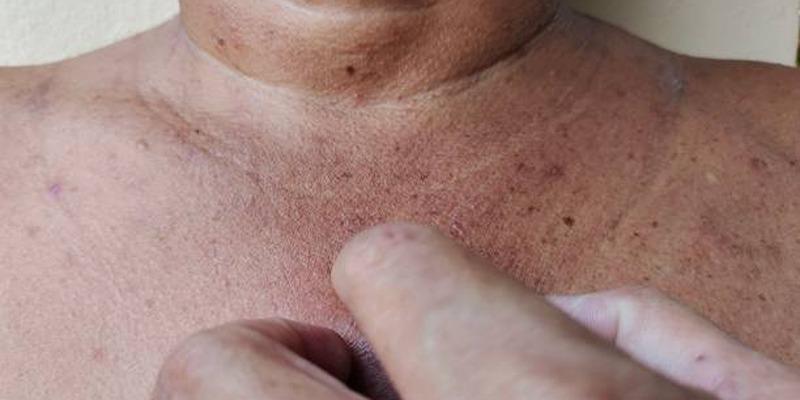
Although dark color of skin obtains certain protection, the preventative measures should not be neglected:
Use Sunscreen
Mainstream the use of SPF 30 (or more) of a wide-spectrum sunscreen. Place attention on uncovered parts such as face, ears and hands. Re-apply in two hours time, outdoor.
Wear Protective Clothing
UV can be lessened through long sleeve garments, hats, and sunglasses. Superlight fabrics which cover the skin but still have an ability to breathe are best.
Avoid Peak Sun Hours
The daily UV damage is maximum between 10n.m. and 4p. m. Restricting exposure during this time of the day can minimize UV damage.
Keep Skin Moisturized
With dry aridic skin, the skin may be more vulnerable to damage. Mild moisturisers are good at keeping the skin healthy.
Treatment Options
Treatment depends on the type, size, and location of the cancer. Options include:
- Surgical removal: Most effective for localized tumors.
- Topical medications: For certain superficial cancers.
- Radiation therapy: Used when surgery is not possible.
- Regular monitoring: Early-stage cancers can be monitored with frequent checkups.
Concusion
Dark skin does not turn you to be immune to skin cancer. By being aware, taking regular self-examinations, sun protection and having regular checkups done by professionals are crucial in ensuring that problems are diagnosed in early stages and treated. Be wary of warts, exposure of the skin to the sun and take immediate action in case of change agentic. Being educated and active will give dark-skinned people big chances to be much safer and better-off in case it turns out the skin cancer has developed.