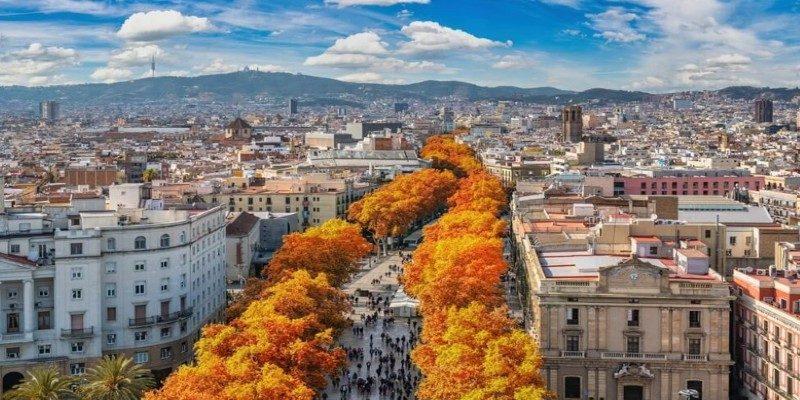
Barcelona feels different the moment you start moving through it, not in grand gestures or glossy claims, but in small decisions repeated everywhere. Sidewalks stay wide even on busy blocks. Crossings make sense without guesswork. Transport works the same on quiet mornings and crowded afternoons. These choices matter during peak travel weeks, when cities usually show their cracks. Travel planners see fewer last minute fixes here. Visitors settle into routines faster. The city does not treat accessibility as a special feature. It treats it as basic infrastructure, built to handle daily life and heavy demand alike across seasons and crowds.
Streets, Transport, and the Daily Reality of Movement
Barcelona tackles a problem many cities ignore: the simple act of getting around without constant interruptions. Plenty of places promote accessibility yet stumble on basics like curb height, broken lifts, or patched pavement. Barcelona holds together better because the fundamentals stay consistent. Curb cuts appear at nearly every crossing. Tactile paving follows predictable lines instead of drifting into obstacles. Sidewalk maintenance happens across residential areas, not just along postcard routes.
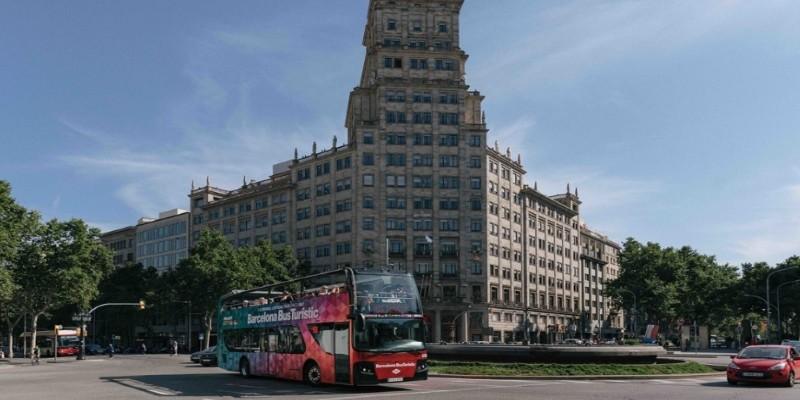
Arrival tells the story quickly. A visitor lands at El Prat during a busy summer weekend. Elevators run without hunting for staff. The Aerobus loads through low floor entry even with heavy luggage queues. Stops feel logical, and the drop near Plaça Catalunya avoids confusing transfers. That independence matters when arrival halls clog up, and assistance counters fall behind schedule.
Public transport improves year by year, though perfection remains out of reach. Newer metro stations include elevators placed near ticket barriers, while older stops still rely on stairs. Planning matters. Advisors track daily lift outage updates from TMB before locking hotel locations. Buses often bridge those gaps. Ramps deploy smoothly, though boarding slows after football matches or concerts. Late nights bring thinner service, which changes timing expectations.
Street conditions stay reliable across the Eixample and main avenues. Historic neighborhoods tighten the experience. El Raval and the Gothic Quarter introduce uneven stone and narrow turns. Progress slows, yet routes remain workable with preparation. The city stays upfront about these limits, allowing realistic planning instead of last minute frustration.
Places to Stay and Booking Friction
Accommodation creates more friction than flights or attractions, mainly because access details get blurred at the booking stage. Barcelona reduces that risk better than most cities. Hotel listings tend to reflect reality. Room measurements, bed clearance, door widths, and bathroom layouts are usually stated clearly. That accuracy matters during high demand months, when last minute changes are nearly impossible and refund disputes clog front desks.
Picture a booking manager handling August reservations. Inventory tightens daily. Prices shift fast. Quotes from earlier in the week expire before confirmation. The manager checks room photos against floor plans, then confirms elevator access reaches the correct floor. This extra review prevents arrival day problems once the city hits full capacity. Large hotels near the Gran Via and Plaça Espanya remain the safest option. These properties offer modern builds, generous corridor widths, and staff accustomed to handling access requests during peak check in periods.
Boutique hotels tell a different story. Historic districts impose structural limits tied to preservation rules. Some rooms allow entry yet restrict movement inside. Beds sit too close to the walls. Bathrooms lack proper transfer space. After long travel days, these gaps lead to desk negotiations and room reshuffles. Advisors often steer guests toward newer grid based neighborhoods before bookings finalize.
Apartment rentals add uncertainty. Elevators exist in many buildings, yet cabin sizes vary widely. Door widths cause surprises. During festival weeks, host response times slow, stretching problem resolution. Seasoned planners approach short term rentals carefully and favor hotels with on site support during busy travel windows.
Public Spaces, Culture, and Timing Pressures
Public space reveals much about a city’s priorities. Barcelona performs well because access remains integrated into daily operations rather than staged for promotion. Beaches provide boardwalks, amphibious chairs, and seasonal assistance staff. These services run strongest between June and September. Mornings stay calmer, while afternoons compress space and slow response times. Timing becomes part of access planning rather than an afterthought.
Museums and landmarks follow similar patterns. Major attractions offer ramps, elevators, and priority entry lanes. Spontaneous visits during cruise ship arrivals stretch capacity. A midday visit to Sagrada Família often involves longer waits for elevator access. Early ticketing avoids this problem, though spring dates sell quickly. Advisors book timed entries well ahead during the shoulder season when demand surges without summer staffing levels.
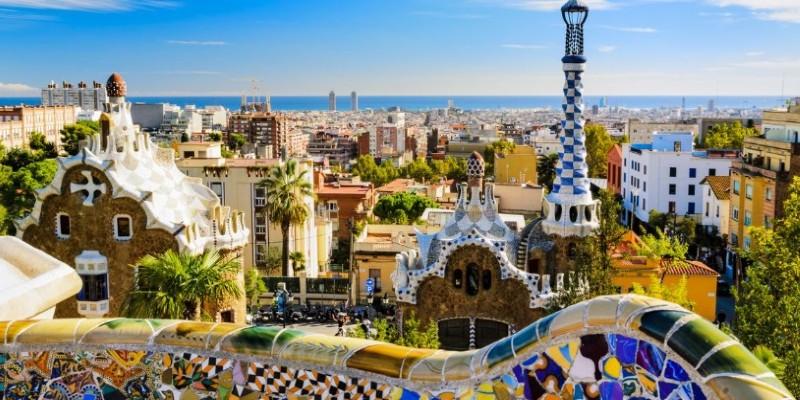
Montjuïc combines funiculars, paved paths, and viewing platforms. The layout supports varied mobility levels, though gradients challenge manual chairs. Staff assistance appears reliably, yet language gaps surface at smaller sites without dedicated visitor desks. Clear signage compensates in most cases.
Public parks maintain even surfaces and accessible restrooms, though temporary closures occur during events. Festival infrastructure sometimes narrows pathways. Advance calendars help planners avoid these bottlenecks, especially during citywide celebrations that draw local crowds alongside visitors.
Planning Support, Staff Training, and Gaps That Remain
Barcelona keeps accessibility functional because different city services work together instead of in isolation. Transport authorities, tourist offices, and municipal departments share updates on route changes, elevator maintenance, and seasonal events. Visitors can email tourist centers and get clear responses, which travel planners use when lining up rail trips or short excursions along the coast. Renfe stations offer assistance, though reservations must be made well in advance; missed deadlines create tension during sudden weather issues or service disruptions.
Staff across hotels, attractions, and transport hubs show steady improvement. Front desk teams manage access requests efficiently, even during busy check-ins. App-based taxis with ramps operate reliably, though late-night availability can be limited, and waiting times rise after major stadium events.
Historic sites remain tricky. Churches, viewpoints, and heritage buildings can’t always be modified, but the city lists these limitations clearly. Transparent communication allows travelers to set realistic expectations and avoid surprises, keeping visits smooth even when minor barriers remain.
Conclusion
Barcelona stands apart because accessibility feels ordinary instead of staged. Streets, transport, lodging, and public spaces align around predictable movement and honest information. Travel professionals encounter fewer emergency adjustments once trips begin. Schedules hold together during crowded weeks. Limits remain in older buildings and peak hours, yet transparency softens the impact. The city shows that access succeeds when built into planning, staffing, pricing, and maintenance rather than added later under pressure.