It is uncommon as most people are not aware of it. It develops when the cartilage that connects to lower ribs has become loose and this allows the ribs to move more than they are expected. This motion stimulates those muscles and nerves that are present around the area with sharp pain or discomfort. Residing in this relatively known lack of condition makes physicians at times have difficulties in diagnosing the condition which leaves their clients puzzled about their symptoms.
What Is Slipping Rib Syndrome?
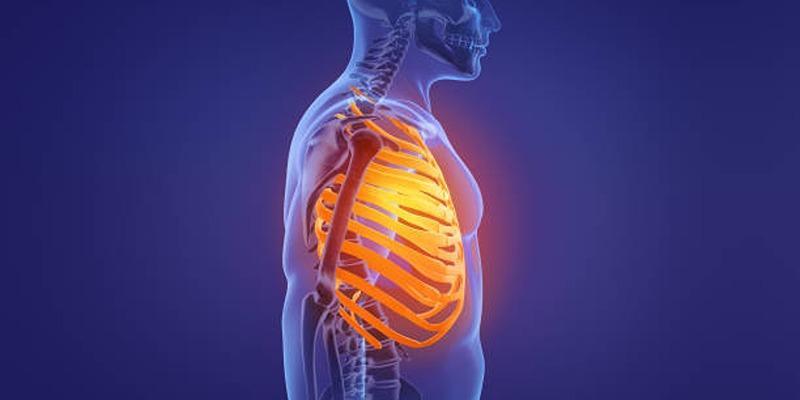
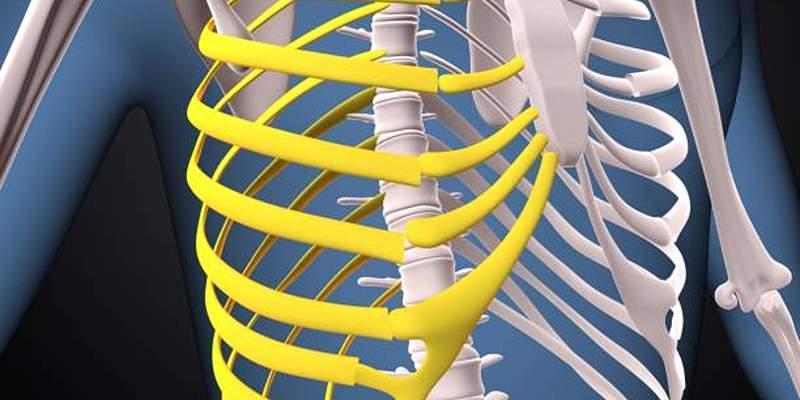
Slipping rib syndrome is also a medical condition whereby the lower ribs, usually the eighth, the ninth, or the tenth rib, is involved. These ribs join to the breastbone by having an end cartilage as opposed to having an end bone. In case the cartilage is weak or torn, the rib is going to get out of its best position. This extra movement causes the neighboring tissues and nerves to be snarled.
Its prevalence is not thought to be very high and therefore there exist a good likelihood of people living months or even years with the symptoms without making the appropriate diagnosis. It is frequently found in those individuals who extensively engage in twisting or bending movements, e.g., sportspeople or persons who perform intensive physical work.
Causes of Slipping Rib Syndrome
Slipping Rib Syndrome has varied causes and thus disadvantages the ribcage. Trauma or chest cause is one of the most common reasons, and may weaken the connective tissue around the ribs.
Loose or Weak Cartilage
Loose cartilage, which cannot keep the rib in place, is one of the key reasons. This is the cause of movement that causes the rib to slop.
Injury or Trauma
A strong blow, an accident, or a fall in the chest area may affect the rib cartilage. The ribs become unstable with time, even with minor injuries.
Repeated Movement
Rib connections may be weakened by such motions as bending, lifting, or twisting. Such actions that are accompanied by sports or physical activities tend to augment the risk.
Genetic Factors
Certain individuals have weaker cartilage, rib construction, etc., by birth. Slipping rib syndrome can easily occur in such a case.
Symptoms of Slipping Rib Syndrome
The symptoms of Slipping rib syndrome may be varied and can bring pain and impact on an everyday routine. The most frequent one is the lower rib pain that can get better with movement or deep breathing.
Sharp or Stabbing Pain
Repudiation of sharp pain in the lower chest or upper abdomen, which is suddenly developed, is the most common symptom. The pain can even be experienced as sporadic with movement.
Clicking or Popping Sensation
Many people describe a clicking, popping, or snapping feeling in the rib area when they twist, bend, or take deep breaths.
Pain with Movement
The pain normally increases with some activity like bending forward, twisting to the side, or lifting heavy things.
Relief with Rest
In certain cases, the pain can disappear or become less severe at rest when the person lies down in a comfortable position.
How Doctors Diagnose Slipping Rib Syndrome
Slipping Rib Syndrome is diagnosed by doctors mainly by the use of an elaborate medical history and physical examination. They can enquire about symptoms, including patterns and provoking factors of pain, and carry out certain examinations to determine the source of pain.
Physical Examination
The physicians tend to begin by using fingers to touch the rib part and determine whether there is pain and motion. One of these tests is the so-called hooking maneuver. Here, the physician connects his fingers under the ribbing of a lower portion and pulls upwards. In case this is painful or the rib moves more than it should, there is a possibility of slipping rib syndrome.
Imaging Tests
X-rays or scans can be taken, but they tend not to reveal slipping rib syndrome easily. This is due to the fact that the issue is in the cartilage, not the bone. Nonetheless, other conditions can be excluded with the help of imaging.
Patient History
Doctors also enquire about the previous injuries, activities that are performed each day, and at what times the discomfort is expected to occur. Such knowledge can make them relate the symptoms to the condition.
Treatment Options
Slipping rib syndrome is treated to relieve the pain and enhance mobility. The treatment can change with the condition of the case and even with the unique condition of the patient.
Rest and Activity Control
The first thing to do is to take a rest from the activities that cause pain. Straining of the ribs can be minimized by avoiding heavy lifting and twisting.
Pain Relief Medication
Physicians can recommend analgesics in the form of over-the-counter pain treatments. These drugs tackle down the inflammation in the vicinity.
Physical Therapy
The muscles around the ribs can be strengthened with special exercises and stretches, and this will enhance posture and minimise rib movement. A physical therapist can also provide safe methods of movement without still causing any strain to the ribs.
Injections
Doctors can, in certain circumstances, administer local injections to resolve inflammation and relieve pain.
Surgery
Surgery can be an option when symptoms are too severe and have not responded to other medical treatments. It is normally performed through surgery, whereby the cartilage or rib is removed or fixed to avoid slipping out.
Home Remedies and Lifestyle Tips
Treatment of slipping rib syndrome at home may include simple remedies and the adoption of lifestyle changes to help relieve pain. Such strategies have the potential to be used together with the medical measures and contribute to improved quality of life.
Gentle Stretching
Stiffness of the chest region and rigor mortis in the muscles can be relieved by applying light stretching. But pains should not be experienced during stretches.
Heat or Cold Packs
Heating the painful region with a heating pad or cold pack can alleviate some pain and tension, thus removing the stiffness.
Supportive Posture
Good posture may help avoid additional pressure on the ribs. There is a big difference between sitting straight and graduating because of slouched positions.
Balanced Exercise
One can also engage in low-impact activities such as walking or swimming since they do not apply excess pressure on the ribcage.
Living with Slipping Rib Syndrome
Slipping rib syndrome can lead to a difficult life to live with; however, it can be treated with proper care. It is vital to be aware of what triggers you, as well as not to move or perform other kinds of actions that bring about pain. Frequent visits to the doctor and taking medication recommendations may significantly make life easier. Once they know how to handle this condition, many individuals with this condition still lead special and bushy lives.
When to See a Doctor
You should speak to a doctor in case of sharp chest or rib pain, which comes and goes. Although the slipping rib syndrome is not life-threatening, the chest pains cannot be overlooked. Proper diagnosis assists you in dismissing other conditions that are serious as well as in receiving the right treatment.
Conclusion
The syndrome of slipping rib is possibly infrequent, but it can be very painful. Learning about its causes and symptoms, and treatment choices, enables the patients to be in charge of their health. By eating right and with correct medical supervision and with explicit home chemistry, individuals with this illness are able to cope with their pain and keep daily endeavors going. In case you observe any of the symptoms that fit the description of this condition, discuss them with your doctor to be guided and clearly diagnosed.