The diabetic individual is a patient who has to be alert, and wound care is no exception. Even minor wounds can result in a major concern when the wounds are not handled well. Here we will speak about a few practical measures helping in the prevention, day-to-day care, lifestyle change, and at what point a person has to consult a medical professional to maintain safety and well-being.
Understanding the Link
Wounds that affect people with diabetes do not represent simple wounds. They pose special risks as there are alterations in the circulation, nerve functioning, and immune responses. This identification aids in the realization of the criticalness of prevention as well as careful wound care.
How Diabetes Affects Healing
Diabetes has the capacity to impair the body's natural capacity to repair itself. The lack of circulation decreases the level of circulation, i.e., oxygen and nutrients are supplied to the wounds at a slower rate. Simultaneously, a weakened immune defense has the potential to slow down healing, and such wounds are likely to become infected due to this slowing process, which can rapidly spread.
Risks of Ignoring Wounds
Ulcers develop even out of small blisters or cuts. To individuals with diabetes, unattended wounds can lead to infections, pain that extends over time, or, at worst, hospitalization. This is the main idea: no wound is to be underestimated, and first aid matters a lot.
Daily Care Practices for Wounds
Wound management is vital, as it feeds on the day-to-day care, which is helpful in minimizing the risk of complications. Any step will aid in building an environment that will facilitate a quick recovery and help avoid infection.
Cleaning and Dressing Wounds
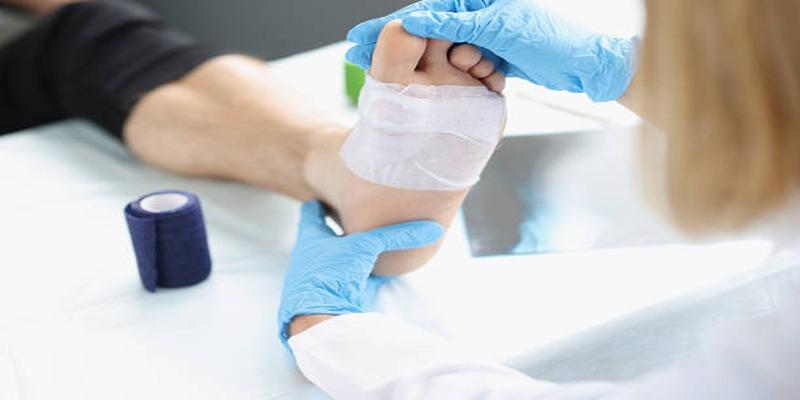
The care of keeping wounds clean forms the basis. Rinsing with a light soap and water will not cause any irritation of the skin and will help remove the debris. Bacteria, friction, and dirt should be prevented by wrapping the wound after washing it with the help of sterile dressings. The frequent replacement of dressings keeps the area dry and clean.
Monitoring for Changes
Cleaning is no more important than observation. Wound checks on a daily basis can enable one to easily spot signs of alarm like redness, swelling, or abnormal discharge. Any such changes can indicate infection or retarded healing and should be followed up with professional consultation at the earliest.
Moisture and Skin Care
Although this would be unexpected, a proper amount of moisture can help healing. During dry wounds, the wounds may crack and deteriorate, and when too damp, the wounds destroy the skin surrounding the wound. Mild moisturizers are beneficial in retaining a natural balance, and where the skin is prone to dryness, the bony parts are looked after to ensure that the skin does not crack.
Preventing Wounds Before They Start
Prevention will also minimize the risk of forming wounds. This is critical in the case of feet that are usually more prone since they have to withstand the pressure, friction, and inner wound injury that goes unnoticed.
Foot Care Essentials
Inspection of feet should be done daily, usually at the same time, in order to create a sense of discipline. Eat nearby: Nearby, look for some little blisters, redness, or altered skin. Such simple precautions as washing feet in lukewarm water, followed by plenty of drying and a coat of mild lotion (not between the toes) can afford lasting safety.
Choosing the Right Footwear

Shoes are no longer a fashion, but an insurance. Squeezing or ill-fitting shoes might lead to rubbing, whereas the foot may be subjected to a greater risk of getting a cut when walking without shoes. Cushioned soled supportive footwear has few pressure points and reduces friction. Wearing them in conjunction with breathable and seamless socks provides extra comfort and safety.
Lifestyle Habits That Support Healing
Wound care does not take place in a vacuum- it is closely related to the general lifestyle. The manner in which an individual consumes food, moves, and stays healthy will directly affect how the body repairs itself.
Nutrition and Hydration
Wound recovery is supported using a healthy diet with enough vitamins, minerals, and proteins. Vitamin C and zinc, among other nutrients, also come in handy to give the skin more strength and aid in the body's production of collagen. Meanwhile, maintaining moisture ensures that skin remains supple and unlikely to tear, which removes the risk of injury.
Physical Activity
Regular and moderate exercise will increase the circulation of the blood so that there is better delivery of oxygen and other nutrients to the healing tissues. Walking, swimming, or cycling are great exercises. Nonetheless, it is important that exercises given should not strain the feet in case they are weak.
The Role of Stress and Rest in Healing
Emotional well-being is important in the recovery from wounds, besides physical care. The stress, exhaustion, and lack of normal sleeping schedules may suppress the possibilities of restoring the body. It is best learning to make sure you generate enough rest and technicality to address daily demands, without jeopardizing your health.
Stress and Skin Health
Stress will suppress the ability to resist, and this will expose the body to more infections and slower healing. Such relaxation methods as breathing sessions, meditation, or simple hobbies promote relaxation, which promotes general health and skin regeneration.
Importance of Quality Sleep

When one is asleep, the body focuses the energy on repair and recovery. Being deprived of rest interrupts this. Good and regular sleep enables the cord to heal within a shorter time and minimizes complications. A consistent nightly routine can be used to provide the conditions that the body requires to recover effectively.
When to Seek Professional Help
Home care may not be enough to treat all wounds, much as it attempts to do so. The knowledge to see the healthcare professional at the right time will help prevent minor issues from turning into a crisis.
Red Flags to Be Careful about
Wounds that do not heal or are getting worse or presenting with any evidence of progression, like raised redness, spreading edema, rotting odor, or nonstop discharge, ought to be treated by professional care. The pain is increasing and not fading away, which is also indicative of the need for an additional medical examination.
Advantages of Periodical Examinations
Regular check-ups with health care experts provide the practitioners with an opportunity to detect danger before it becomes an issue. Special advice, including recommendations of protective footwear or more specialized wound care, can be given by podiatrists, nurses, or specialists in diabetes. Frequent visits bring about reassurance and a lessening of self-care burden.
Conclusion
Wounds of patients with diabetes cannot be treated in the same way as other patients- they have to be paid constant attention, exhibit preventive behavior, and be guided by specialists at the right time. Since every day examination up to adequate footwear, well-balanced nutrition, and stress relief, every angle has a role to play in the treatment and prevention.